By July, most homeowners have a pretty good sense of how their house handles summer.
They know which rooms run warm, how long the AC usually runs, and what a typical summer energy bill looks like. So when the upstairs feels hotter than usual, or the house feels more humid, it is easy to assume that the weather is just pushing everything harder than usual.
Many homeowners wait it out and figure the problem will ease up once cooler weather arrives. And in one sense, it might.
But sometimes the issue is not the AC. It is the attic.
At CRS, we often see these issues become more noticeable during long periods of heat and humidity. The roof may look fine from the outside, but the space beneath it may not be performing the way it should.
Your Ventilation and Insulation Have to Work Together
Ventilation and insulation are often talked about together, but they serve different purposes.
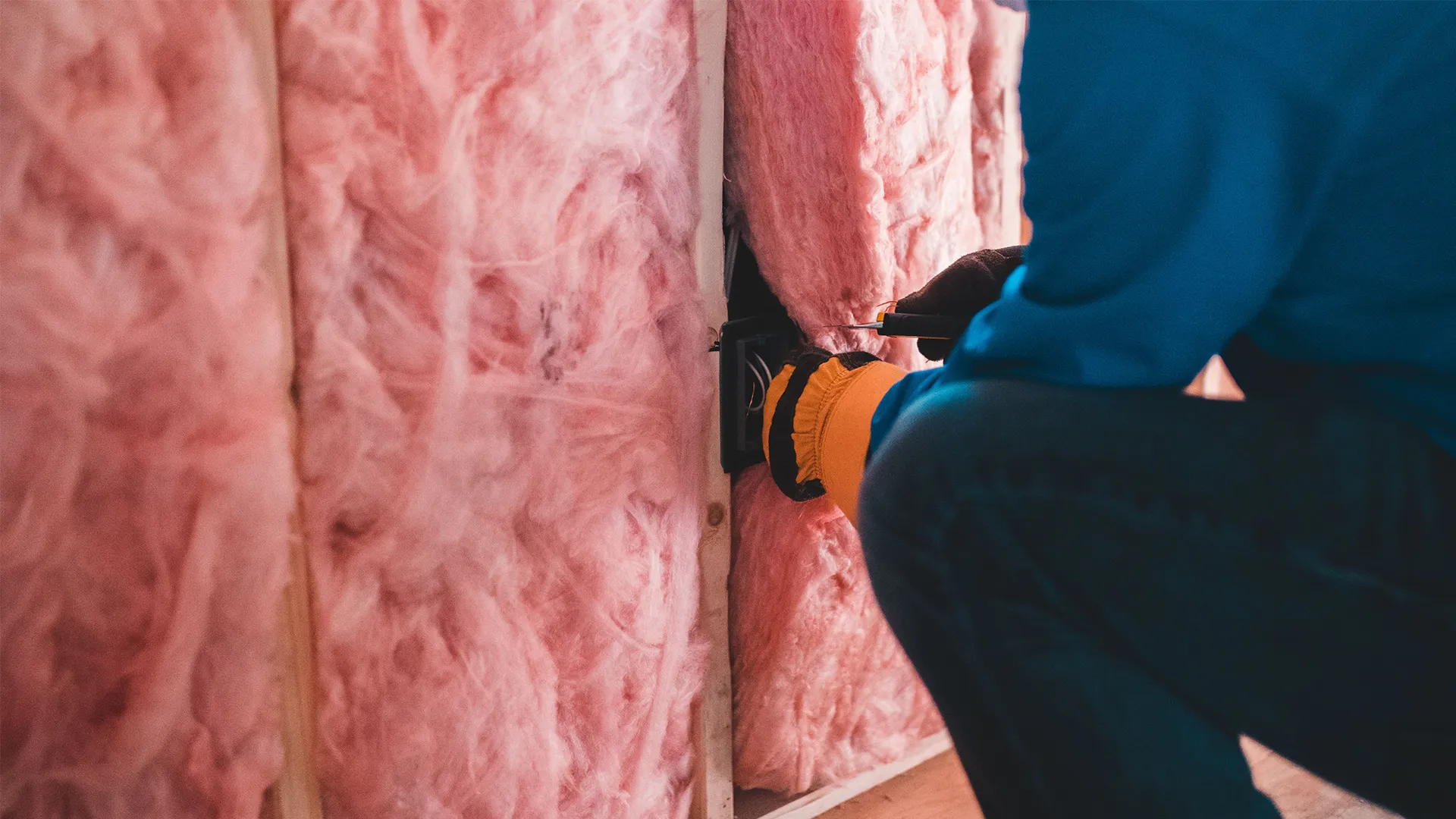
Insulation helps slow the movement of heat between your attic and your living space. Ventilation helps move hot, humid air out of the attic so it does not stay trapped under the roof. When either system is not performing properly, homeowners often feel the problem inside the house first. This can lead to uncomfortably hot upstairs rooms, longer AC run times, and higher energy bills.
One does not replace the other.
Adding insulation without checking ventilation can trap heat and moisture. Adding vents without enough insulation may not solve the comfort problem inside the home. The attic needs the right balance of both.
That is why a proper evaluation should look at the full system, not just one piece of it.
Why More Insulation Is Not Always the Answer
Many homeowners assume that if their house feels too hot, they simply need more insulation.
Sometimes insulation is a part of the solution, but just adding more insulation without checking airflow can create new problems.
If soffit vents are blocked, the attic may not be getting the fresh airflow it needs. If exhaust ventilation is undersized, hot air may still have nowhere to go. If existing insulation is damp or damaged, adding more on top of it will not fix the underlying issue.
The goal is not just to add more material. The goal is to make sure the attic’s system is working properly.
Why Summer Makes the Problem Easier to Notice
During July, your attic is exposed to long days of strong sun exposure and humid air. If the space is not properly ventilated, heat can build up under the roof deck instead of flowing out of the attic.
Over time, that trapped heat can make the rooms below harder to cool. It can also add stress on the roofing system above it.
Moisture is another concern. Humid air that gets trapped in the attic can affect insulation, wood, and roof decking. If the insulation becomes damp, it cannot perform the way it should. That makes the attic less efficient and can create conditions that lead to bigger problems over time.
This is why attic ventilation is not just about comfort. It is also about protecting the roof system.
Signs Your Attic May Need Attention
You do not have to wait for a roof leak to know something is wrong. Problems with attic ventilation or insulation often first appear as comfort or energy-efficiency issues; however, over time they can become more serious if left unaddressed.
Common signs include:
- Upstairs rooms that are difficult to cool
- An air conditioner that seems to run constantly
- Higher energy bills during hot weather
- An overly hot, humid, or musty attic
- Uneven temperatures from room to room
- Insulation that looks damp, compressed, or disturbed
- Moisture staining on attic wood
- Shingles that appear to be aging faster than expected
None of these signs automatically mean you need a new roof, but they are reasons to have your attic and roof system evaluated.
What a Proper Evaluation Should Look At
A proper attic evaluation should assess how ventilation, insulation, and the roof system work together.
That includes checking:
- Intake ventilation, such as soffit vents
- Exhaust ventilation, such as ridge vents or roof vents
- Whether vents are blocked or properly balanced
- Insulation depth, coverage, and condition
- Signs of moisture, staining, or mold
- Air leaks from the living space into the attic
- Roof deck condition
The recommendation requires a hands-on inspection of the attic to determine what is actually happening inside.
Address the Issue While Summer Is Still Here
July is a good time to pay attention because summer conditions are actively testing your home.
Addressing ventilation and insulation issues now can help improve comfort, reduce unnecessary strain on your home, and protect the roof system from ongoing heat and moisture exposure.
At CRS, we help homeowners identify attic ventilation, insulation, and roofing issues before they turn into larger problems.
If your home has been difficult to cool this summer, contact CRS today to schedule an inspection and get a clear understanding of what your attic and roof actually need.