There’s a version of a roofing estimate that takes about ten minutes to produce. A contractor pulls up your address, runs it through estimating software, and hands you a number. It’s fast. It looks official. And it’s missing most of the factors that actually determine your roof’s cost.
Here’s what an honest estimate looks like, and why the difference between the two matters more than most homeowners realize.
It Starts From Above. But Not From Your Roof.
Roofr, the industry-standard estimating software used by professional roofing contractors across New Jersey, begins with a satellite image of your home. From that image, the platform calculates your roof’s dimensions: total square footage, the number of planes, and the lengths of the ridges, hips, and valleys. It’s a sophisticated starting point. Accurate enough to establish a baseline, and fast enough that every contractor is working from the same kind of foundation.
That word, baseline, is important. Because that’s exactly what it is.
Satellite data can tell you how big a roof is. It cannot tell you what condition it’s in. It cannot see the section of decking that’s gone soft, the flashing around a chimney that’s been failing for two seasons, or the second layer of shingles that’s been hiding under the first since 2004. It gives you dimensions. It does not give you a diagnosis.
The estimate from Roofr at this stage is a rough number. A starting point. It should be treated that way.
Then Someone Has To Get On The Roof.
This is where many contractors make their first cut. A drive-by assessment. A view from the ground. A set of assumptions that seem reasonable until they aren’t.
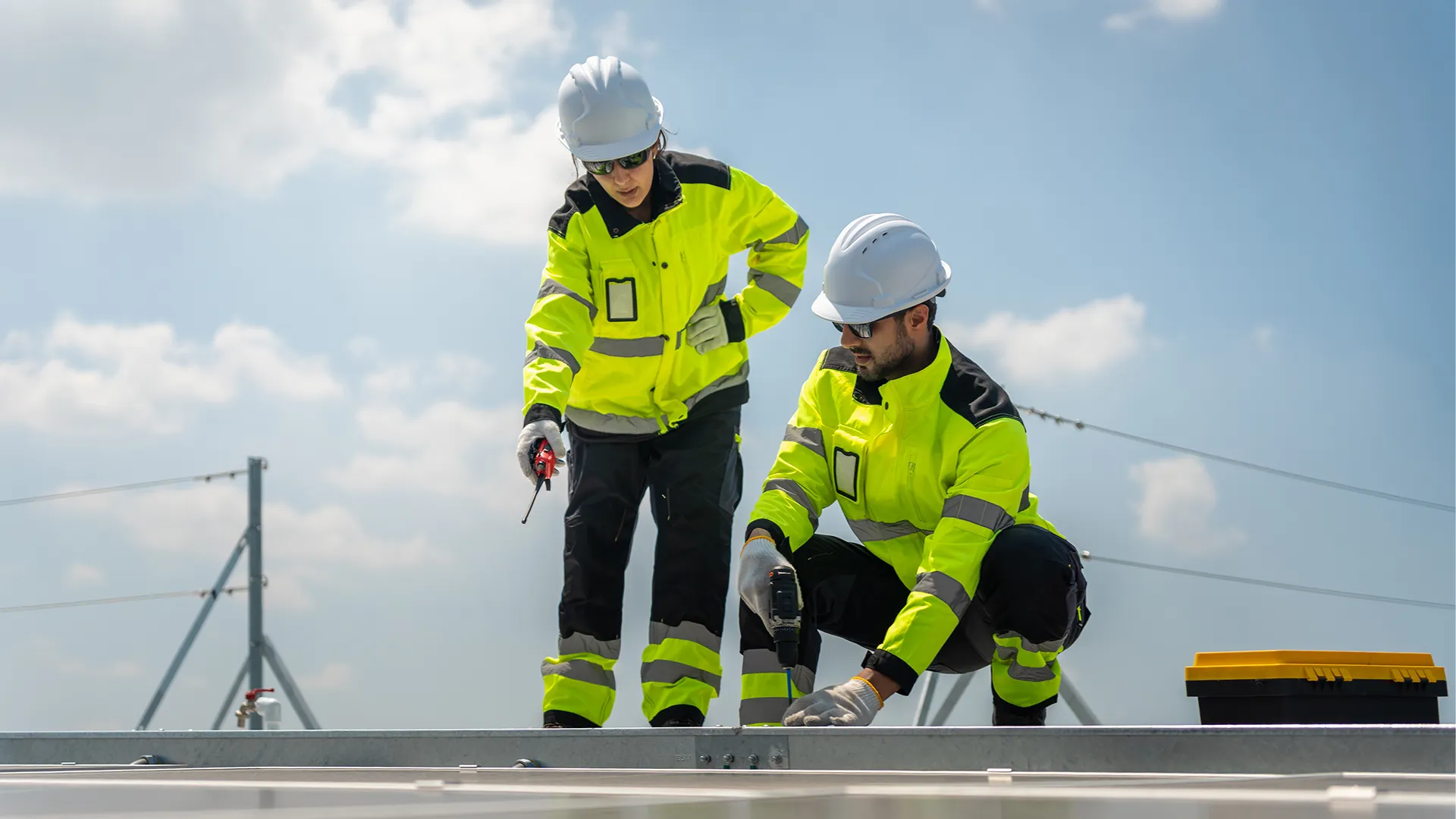
A proper physical inspection means someone gets up there and looks at everything. Not just the overall condition, everything.
The existing shingles: how worn are they? Are there any lifting or missing? Is there granule loss indicating age or impact damage? The decking beneath: any soft spots underfoot that suggest rot or moisture intrusion? The ridgeline: is the current ventilation adequate for the new roof
system going on top? The valleys: are they open or closed, and what does that mean for material quantities and labor?
All of that information changes the estimate. Some of it in small ways. Some of it significantly.
A roof with one layer of aging asphalt shingles over solid decking is a different job than a roof with two layers over decking that needs partial replacement. The satellite image looked identical. The inspection did not.
Penetrations Are Where Surprises Live.
Ask any experienced roofer where jobs get complicated, and they’ll tell you the same thing: it’s not the flat field of shingles. It’s everything that interrupts them.
Chimneys. Skylights. Pipe boots. Dormer walls. HVAC curbs. Every point where something passes through or meets the roof surface is a penetration, and every penetration requires flashing, the metalwork that seals those transitions and keeps water from finding its way in.
Flashing gets inspected because flashing fails. Old step flashing along a dormer that’s been caulked and recaulked for years. Counter flashing around a chimney that’s no longer making full contact. Lead or galvanized pipe boots that have cracked with age. These aren’t line items you can pull from a satellite image. They come from a person who climbs up and looks.
When flashing needs to be replaced rather than reused, that’s a specific cost. It belongs on your estimate as its own line, not absorbed into a general labor figure where you’d never see it. If a contractor doesn’t break this out, you have no way of knowing whether you’re paying for it, or it becomes a change order later.
Pitch Changes Everything.
The slope of your roof, expressed as pitch, affects nearly every variable in a roofing estimate. It affects how much material you need. It affects how long the job takes. And it affects the safety setup required to do the work properly.
A low-slope roof and a steep one of the same square footage are not the same job. Steeper pitches require additional labor because the work is slower and more physically demanding. They often require different installation techniques. And they affect material waste, since cutting shingles to fit angled runs creates offcuts that must be accounted for.
Roofr can estimate pitch from satellite data, but it’s not infallible, particularly on complex roof lines with multiple intersecting planes. A physical inspection confirms the pitch for every section of the roof, and those confirmed numbers should drive the final quantities in your estimate.
Then Comes The Conversation About Materials.
Once the inspection is complete and the real dimensions and conditions are documented, there’s another variable that significantly changes the final number: what you actually choose to put on top.
Not all shingles are created equal, and the difference between a three-tab, a standard architectural, and a premium impact-resistant shingle isn’t just aesthetic. It’s warranty length, wind resistance, insurance implications in some cases, and long-term performance expectations. Each option carries a different material cost, and that difference compounds across the square footage of your roof.
The same applies to the underlayment, the layer between your decking and shingles. Synthetic underlayment outperforms felt in most conditions and comes at a different price. Ice and water shield, required in certain areas and around all penetrations in New Jersey, is another line item that varies based on coverage requirements and the product specified.
This isn’t an upsell conversation. It’s a trade-offs conversation. What’s the realistic lifespan you’re looking for? What’s your exposure to severe weather? What are your plans for the house in the long term? The answers to those questions should shape what goes in your estimate. And they should appear in your estimate clearly enough that you can see exactly what you’re getting for what you’re paying.
What The Final Quote Should Look Like.
By the time the inspection is done and the material conversation is had, the baseline Roofr number has been replaced by something much more specific. Every line in the final quote should correspond to something real: a confirmed measurement, an observed condition, a product that was discussed and chosen.
Tear-off and disposal
How many layers, what’s the material, where is it going? Are dumpster and haul-away included? Are there additional charges for overages or extra containers if needed?
Decking repair
How many sheets, at what price per sheet, contingent on what the inspection found.
Ice and water shield
How many square feet, where exactly? How many feet past the heated wall? In specific locations like eaves, valleys, side walls and penetrations? How many inches up the side walls and how many courses on the eaves?
Underlayment
Which product? Full coverage? Does the underlayment fall under the manufacturer’s lifetime guarantee with the shingles?
Drip Edge
What type, color, and profile?
Starter Strip
Should be a premium manufacturer brand and not scrap shingles cut in half.
Shingles
Which product? Confirmed square footage plus waste factor.
Ridge Cap
Which product? How many linear feet? What type of nails are used? They should be using 2.5-inch for hip and ridge caps, as opposed to 1.25-inch for shingles.
Flashing
Each penetration itemized, new or reused, product specified. Step, counter, apron, side wall, all included?
Ventilation
Current setup? Any changes required? Product and quantity? Are they going to address both intake and exhaust ventilation using the 1/150 rule, and evaluate attic insulation?
Warranty
Type? Labor? Material? Company warranty and/or manufacturer? Final documents should be provided to the homeowner with guarantees in writing, and appropriately signed and filed.
Transparent Quotes Are What CRS Does
That’s what a transparent quote looks like. Not a single number. Not a page of vague line items that don’t add up to anything you can verify. A document that lets you follow the logic from inspection to final price, and understand exactly what you’re paying for at every step.
That’s the standard worth holding any contractor to, including us.
When you’re ready for a transparent roofing quote you can understand and trust, contact us.