
Peak real estate season is coming, and the outside of your home is the first thing every buyer sees. If you’re considering selling your home this year, upgrading to James Hardie fiber cement siding is one of the smartest investments you can make before you list.
Spring is when buyers are looking and judging
Every spring, the Northern New Jersey real estate market picks up fast. Families want to be settled before school lets out. Buyers are walking open houses with fresh eyes and high expectations. In that environment, curb appeal isn’t just nice to have. It’s everything.
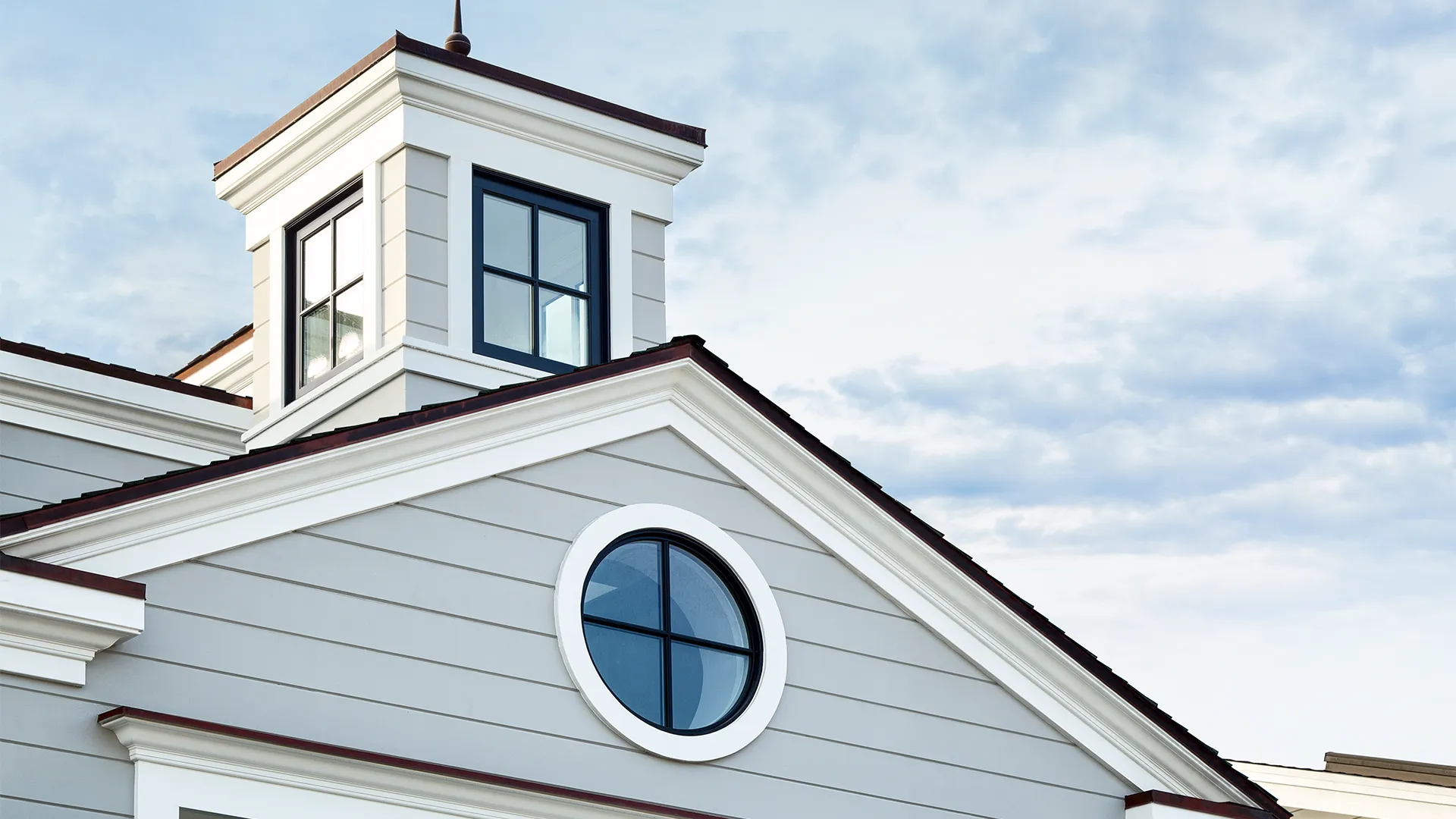
Faded, cracked, or beat-up siding is one of the first things a buyer notices. It makes them nervous before they’ve even walked through the door. New James Hardie fiber cement siding sends the opposite message: this house has been taken care of, it’s solid, and it’s worth what they’re asking or even more.
The numbers behind the investment
According to the Remodeling Magazine Cost vs. Value Report, fiber cement siding replacement returns about 114% of the project cost at resale, making it one of the best exterior upgrades you can do. On a $20,000 siding job, that’s roughly $22,000 or more back in your pocket at closing.
In addition to the ROI, homes with James Hardie siding tend to sell faster. Buyers respond to the look and the low-maintenance pitch, and real estate agents will tell you updated fiber cement is a real factor in fewer days on market and stronger final offers.
Worth mentioning, too: James Hardie holds about 90% of the fiber-cement market in North America. Buyers and their agents know the name. That kind of brand recognition carries weight that a generic product just doesn’t have.
What makes James Hardie different from vinyl or wood
James Hardie holds up where others don’t. Fiber cement doesn’t warp, rot, or get chewed up by insects the way wood does, and it handles impact a lot better than vinyl. A properly installed Hardie product can last 50 years or even longer.
In addition to the impact resistance, fiber cement siding boasts fire resistance that others can’t match. Vinyl melts. Wood burns. Hardie fiber cement siding is noncombustible and carries a Class A fire rating. Some insurance carriers will even reduce your homeowners’ insurance premium thanks to the improved fire rating.
While the color on vinyl siding can fade in the sun, and wood needs to be repainted regularly, James Hardie fiber cement color lasts for years. The color is baked on, not brushed on. It resists fading, chipping, and cracking, and it comes with a 15-year finish warranty that transfers to the next owner.
HardieZone® technology means the siding is designed specifically for New Jersey’s freeze-thaw cycles. Vinyl shrinks and expands with every temperature swing. Hardie holds its shape and seal through all of it.
The transferable warranty is a selling point on its own
James Hardie backs their product with a 30-year, non-prorated warranty. Most competitors’ warranties lose value over time. Hardie’s stays full strength for three decades. And it transfers to the next homeowner, which means you can hand a buyer something concrete at closing.
That transferable warranty does something important in a transaction: it takes uncertainty off the table. When a buyer sees a 30-year backed product installed by a certified contractor, the conversation stops being about what might go wrong and starts being about when they’re moving in.
Why now is the right time to get it done
Spring is actually the best time for a siding installation in New Jersey. Not just for the real estate timing, but for the work itself. Mild temps mean tighter, cleaner fits. And the scheduling window before summer’s backlog kicks in is still open.
Homeowners who get their siding project on the books in March or April can hit the market at peak buyer traffic with a fresh exterior, before the mid-summer rush when most of their competition is still waiting on a contractor. That timing edge can mean more showings, stronger offers, and a faster close.
Installation matters as much as the material
Here’s something we tell every homeowner: James Hardie performs the way it’s supposed to when it’s installed right. The number one reason warranties get voided is bad installation. Fiber cement is heavier than vinyl. It requires specific fastening patterns, proper moisture-barrier sequencing, and the right tools. Shortcuts contractors take during the install don’t show up right away. They show up years later as water getting behind the siding, causing issues.
At CRS, we’ve been working in Northern New Jersey since 1977. We’ve seen siding jobs done right and the ones done cheaply. Our process is built around doing it right the first time, so your warranty holds and your home is protected for the long haul.
Ready to upgrade your curb appeal this spring?
Give CRS a call today for a free estimate on James Hardie siding installation. We’ll take a look at your home, walk you through your options, and get you on the schedule before the spring market peaks.