We’ve been having the same conversation a lot lately. A building owner calls us after getting a quote from another contractor, sometimes two or three quotes, and every single one says the same thing: full replacement. New system. Tear it off and start over.
And sometimes, that’s the right answer.
But sometimes, it isn’t.
The Replacement Default
There’s a tendency in this industry to lead with replacement. It’s the biggest ticket, it’s a clean solution, and frankly, it’s easier to sell than a nuanced conversation about membrane condition and drainage slope. We understand the business logic. But it doesn’t always serve the building owner.
Here’s what we’ve learned after years of working on commercial roofs: a failing roof isn’t automatically a candidate for replacement. There’s a meaningful difference between a system that has reached the end of its useful life and one that has been neglected, stressed, or developed a few problem areas over time. Mistaking a roof that can be restored for a roof that needs to be replaced can result in unnecessary costs and headaches for building owners.
What Restoration Actually Means
Restoration isn’t a patch job or a band-aid. When we talk about restoring a commercial roof, we’re referring to a systematic process that includes cleaning the existing membrane, addressing any compromised areas, reinforcing seams and flashings, and applying a high-performance coating system or a new layer of membrane to extend the roof’s life by a decade or more.
On the right roof, a restoration or single-ply overlay can give you 10 to 15 additional years of performance at a fraction of the cost of a full replacement. You’re also avoiding the disruption of a tear-off: the noise, the dumpsters, the contractors on site, and the risk of having your roof open to the weather during the process.
That said, restoration only works when the underlying system is structurally sound. If the deck is compromised, if there’s widespread wet insulation throughout the assembly, or if the membrane has simply degraded beyond the point of adhesion, you’re not restoring anything. You’re spending money on the wrong solution. A good contractor will tell you that upfront.
The Three Conversations You Might Be Having
When a commercial roof starts showing signs of wear or leaking, you’re really looking at one of three paths:
Commercial Roof Repair
Isolated issues like a failed flashing, a puncture, or a seam that’s lifted can often be addressed without touching the rest of the system. If your roof is otherwise in decent shape and the problems are contained, targeted repairs are the most cost-effective move.
Commercial Roof Restoration
If the membrane is weathered but structurally intact, if you’ve got moderate ponding that hasn’t compromised the insulation, or if you’re seeing widespread minor deterioration, restoration is worth a serious look. This is the conversation most building owners never get to because they’re handed a replacement quote before anyone’s done a thorough assessment.
Commercial Roof Replacement
Some roofs genuinely need to come off. Extensive wet insulation, structural deck issues, or a system that’s been repaired so many times there’s nothing left to work with are situations where replacement is the only responsible recommendation. We’ll tell you that directly when it’s the case.
The problem is that too many building owners skip straight to the third conversation without anyone checking whether the first or second applies.
What a Real Inspection Looks Like
A sales call and an inspection are not the same thing, even when they happen on the same day.
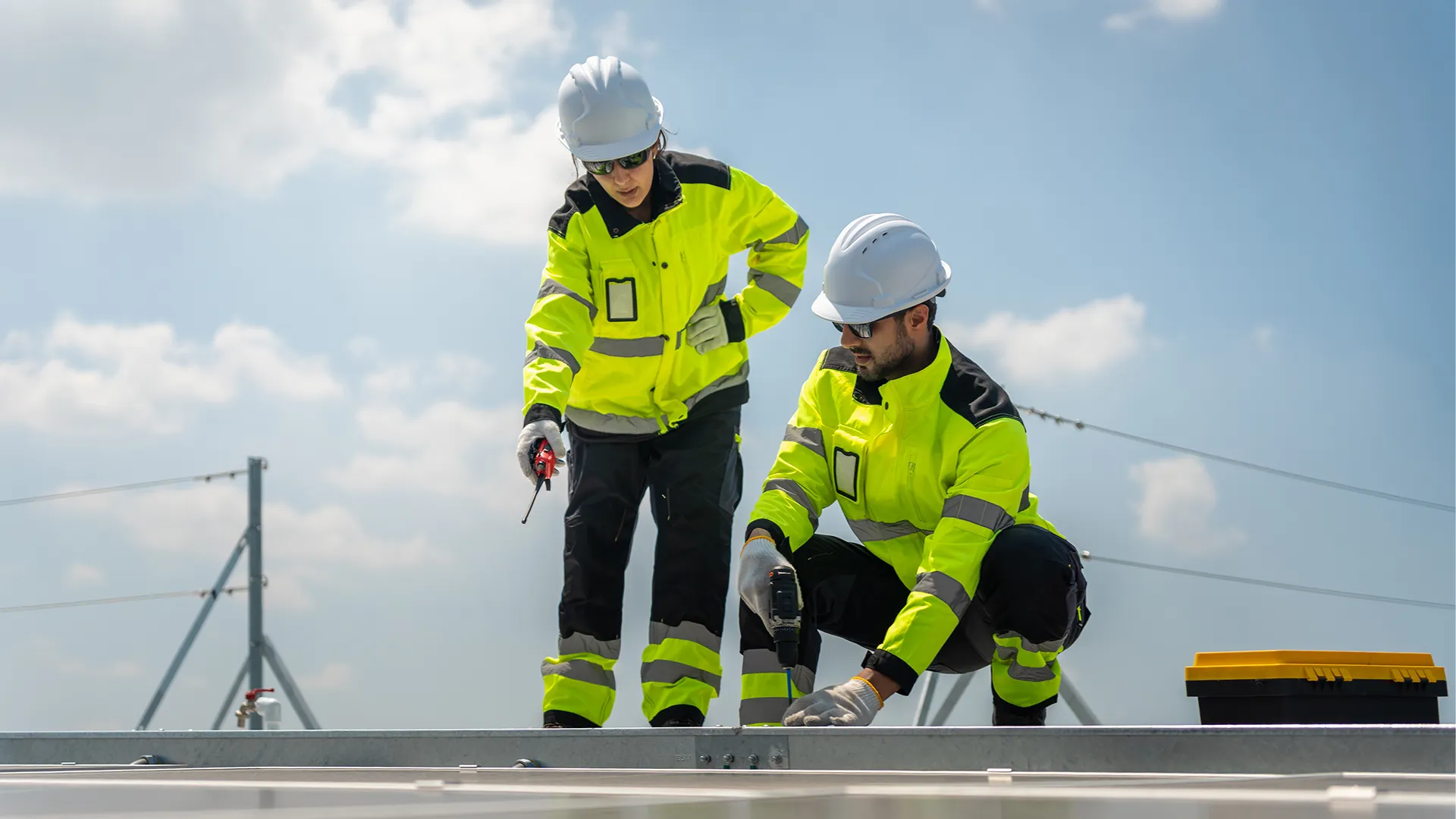
A legitimate commercial roof assessment involves more than walking the surface and eyeballing the membrane. It should include a core sample or two to evaluate the condition of the insulation below the membrane. It should look at drainage patterns and where water is sitting. It should examine every penetration, every flashing, every seam, not just the obvious problem areas. If the contractor doing your “inspection” doesn’t get into that level of detail, you’re getting a sales pitch, not a diagnosis.
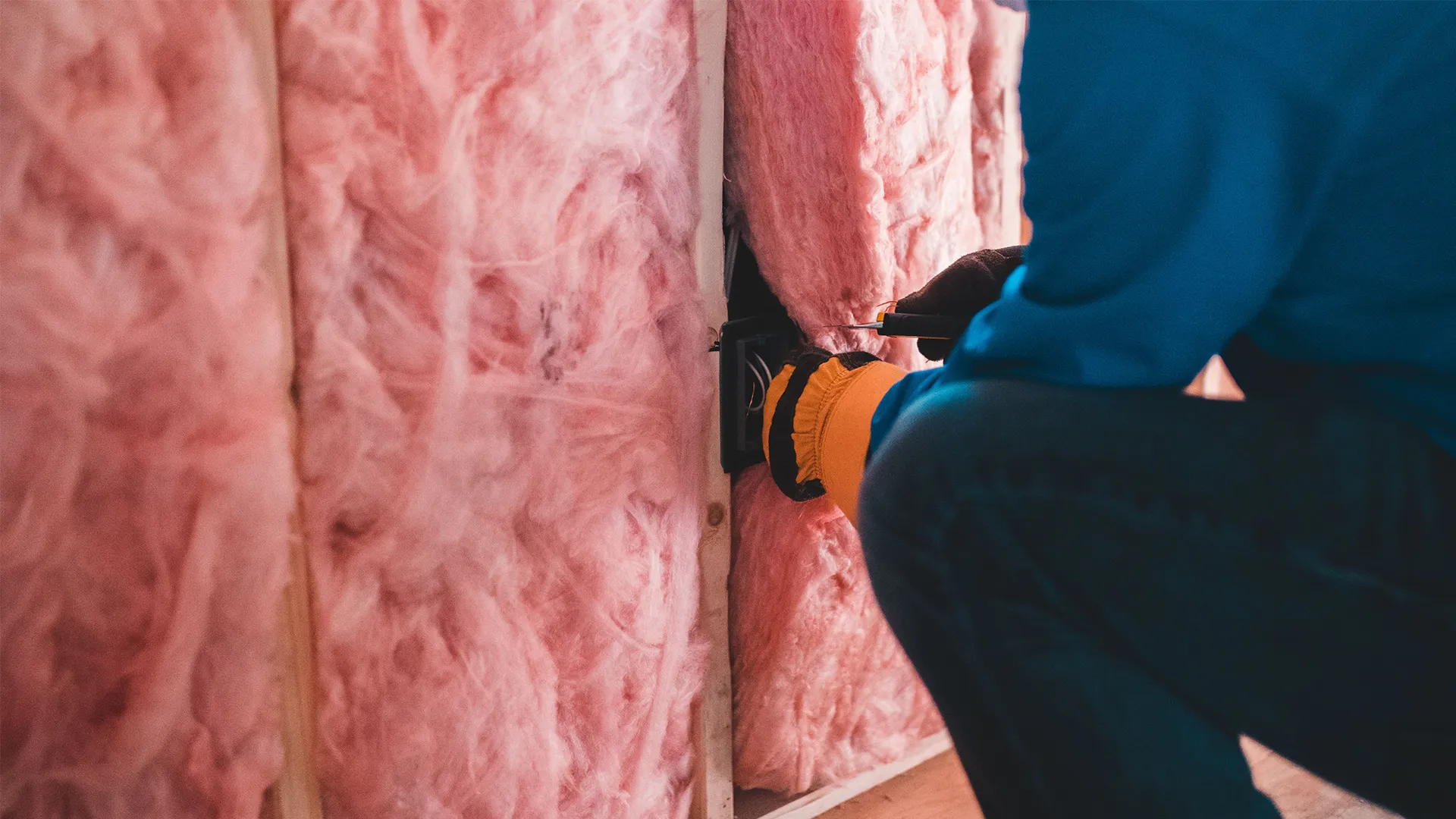
We’d also recommend infrared scanning for any roof where restoration is on the table. Infrared allows us to detect moisture trapped in the insulation that isn’t visible from the surface. It significantly changes the conversation because wet insulation beneath an otherwise intact membrane can quickly shift a conversation from restoration to replacement, depending on the percentage of the insulation affected. If only 5% of the insulation is wet, replacing the damaged insulation and overlaying a new membrane is reasonable. Once you reach 25–30% of the roof, a full replacement makes more sense.
The Cost of Waiting
We’ve seen both sides of this. Building owners who caught problems early, such as a failing seam, drainage that wasn’t performing, flashings starting to lift, and addressed them before water got into the assembly. Those calls saved significant money. Repairs or a well-timed restoration instead of a full system replacement.
We’ve also seen the other version. A slow leak was ignored for a season or two. By the time it becomes undeniable, the insulation is saturated across a large portion of the roof. At that point, there’s no restoration path. The only option is full replacement, and it costs significantly more than it would have if someone had gotten up there 18 months earlier.
Roofs don’t get better on their own. Minor issues compound. Water finds its way into places it’s not supposed to be, and once the insulation is wet, the clock is ticking on your deck.
What We’d Tell Any Building Owner Right Now
If you’re managing or owning a commercial building and you’re not certain of your roof’s current condition, not just “we haven’t had a leak yet” but actually certain, it’s worth scheduling a proper assessment.
Not because something is necessarily wrong. But knowing where you stand gives you options. You can plan a restoration on your timeline, budget for repairs before they become a major issue, or make an informed decision about replacement on your schedule rather than the roof’s.
The building owners who make the best decisions about their roofs are the ones who aren’t surprised by them.
If you’re ready to schedule an assessment, contact us today and we’ll have an honest discussion about your roof and business needs.