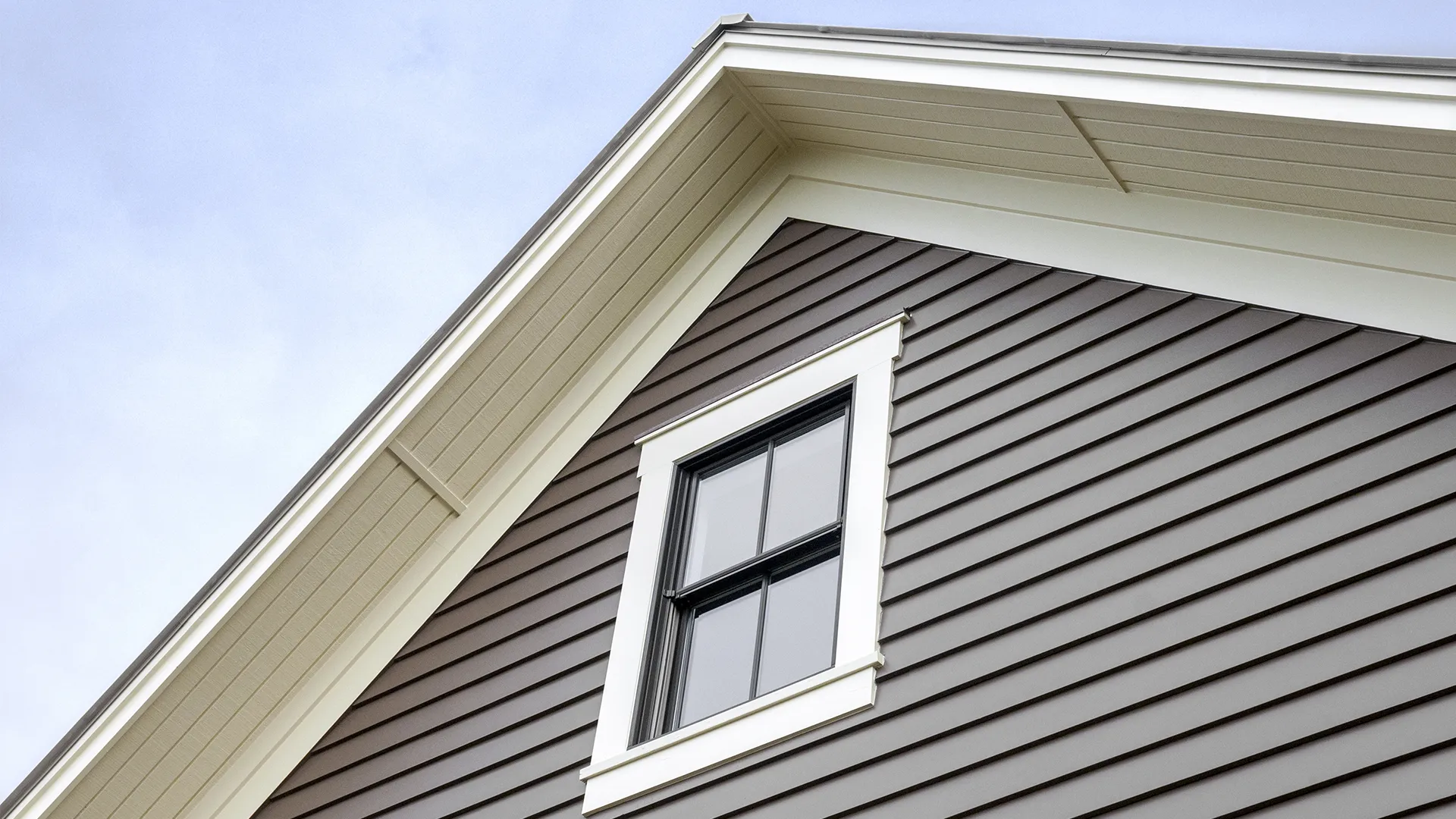
Most homeowners think about siding replacement as an exterior upgrade. New siding changes your home’s look, improves curb appeal, and gives the exterior an updated appearance.
But siding replacement can also tell you a lot about what’s been happening behind the old exterior.
Once the old siding comes off, CRS can see whether the exterior underneath is in good shape or if there are issues that should be addressed first.
The replacement process should do more than cover the house. It should help identify what the exterior needs before the new siding goes on.
Old Siding Can Hide Problems for Years
Siding is meant to protect the home, but it can also hide problems that are not obvious at first glance.
This is especially common on older New Jersey homes, where the exterior may have gone through multiple repairs, renovations, or siding updates over time. Each layer of work can cover up old problem areas, which is why removing the siding is often the first real chance to see what the home actually needs.
Without an inspection during siding replacement, damage can remain hidden for years. A homeowner may not notice staining, warping, soft trim, interior moisture, or siding that has started to shift until years later, when unseen damage behind the siding shows up.
When Moisture Hides Behind Siding
Moisture is one of the biggest things a siding project needs to account for.
New Jersey homes deal with plenty of wet conditions throughout the year. Rain, humidity, snow, and seasonal temperature swings can all put pressure on the exterior.
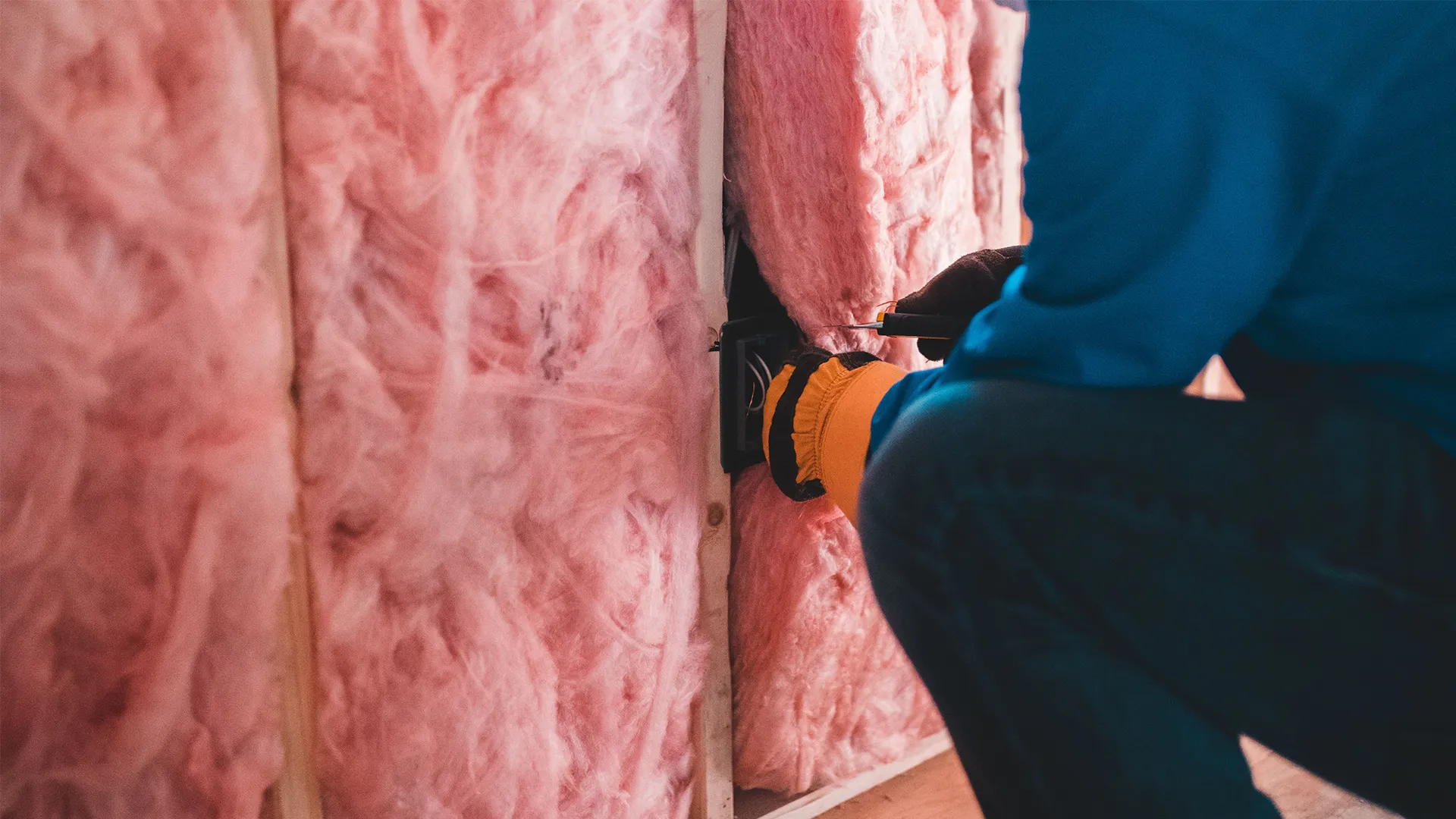
If water has been getting behind the siding, it may show up in the sheathing, trim, framing, or areas around windows and doors. In some cases, the damage is isolated. In others, it points to a larger issue with how the exterior was originally installed.
That does not always mean the project requires major repairs. But it does mean you should address the problem before installing new siding.
Check the Existing Exterior Before Installing James Hardie®
James Hardie® siding is a strong choice for many New Jersey homes, but it performs best when you properly evaluate the exterior beneath it first.
Before new siding goes on, the sheathing underneath should be inspected. If it is solid and dry, the new siding has a better base to attach to. If there are damaged sections, those areas should be repaired before the project continues.
Preparation is especially important with fiber cement siding because it has specific installation requirements. Clearances, flashing, fastening, and moisture management must be handled correctly so the siding can protect the home and last over time.
Installing new siding over questionable conditions can create problems later. The finished exterior may look clean, but the issues underneath remain and can void any warranties offered.
A good siding project should leave the home in better shape than it was before. That means correcting weak areas, not just covering them.
What Homeowners Should Ask Before the Project Starts
Before starting a siding replacement, homeowners should ask a few direct questions:
- Will the old siding be fully removed?
- Will the sheathing be inspected before the new siding is installed?
- How will damaged areas be handled if they are found?
- What moisture barrier will be used?
- How will windows, doors, rooflines, and penetrations be flashed?
- What clearances will be maintained?
- Are James Hardie® installation guidelines being followed?
The answers can tell you a lot about how the project will be handled.
A siding replacement should not be treated as a surface-level update. It is an opportunity to evaluate the exterior, correct weak points, and install the new product the right way.
The Bottom Line
Siding replacement should do more than improve the outside of the home. It should also give the contractor a chance to evaluate what is underneath and address problems that may be hiding below the current siding.
Sheathing, flashing, trim, moisture barriers, and clearances all affect how well the finished project performs over time. James Hardie® siding is a strong product, but the home still needs a proper evaluation before installation.
At CRS, we help homeowners understand what their exterior actually needs before work begins. If you are considering James Hardie® siding for your home, get in touch today. We will review your options and give you a straight assessment of what your home needs.