Replacing your siding lets you update your home’s appearance, but choosing the right style isn’t always straightforward.
Some homeowners want to keep their home’s traditional appearance, while others see siding replacement as a chance to update the exterior. James Hardie® fiber cement siding offers styles that suit both designs.
Before deciding on a siding style, it helps to understand what each option offers and how it will work with the rest of your home.
Lap Siding Offers a Classic Look
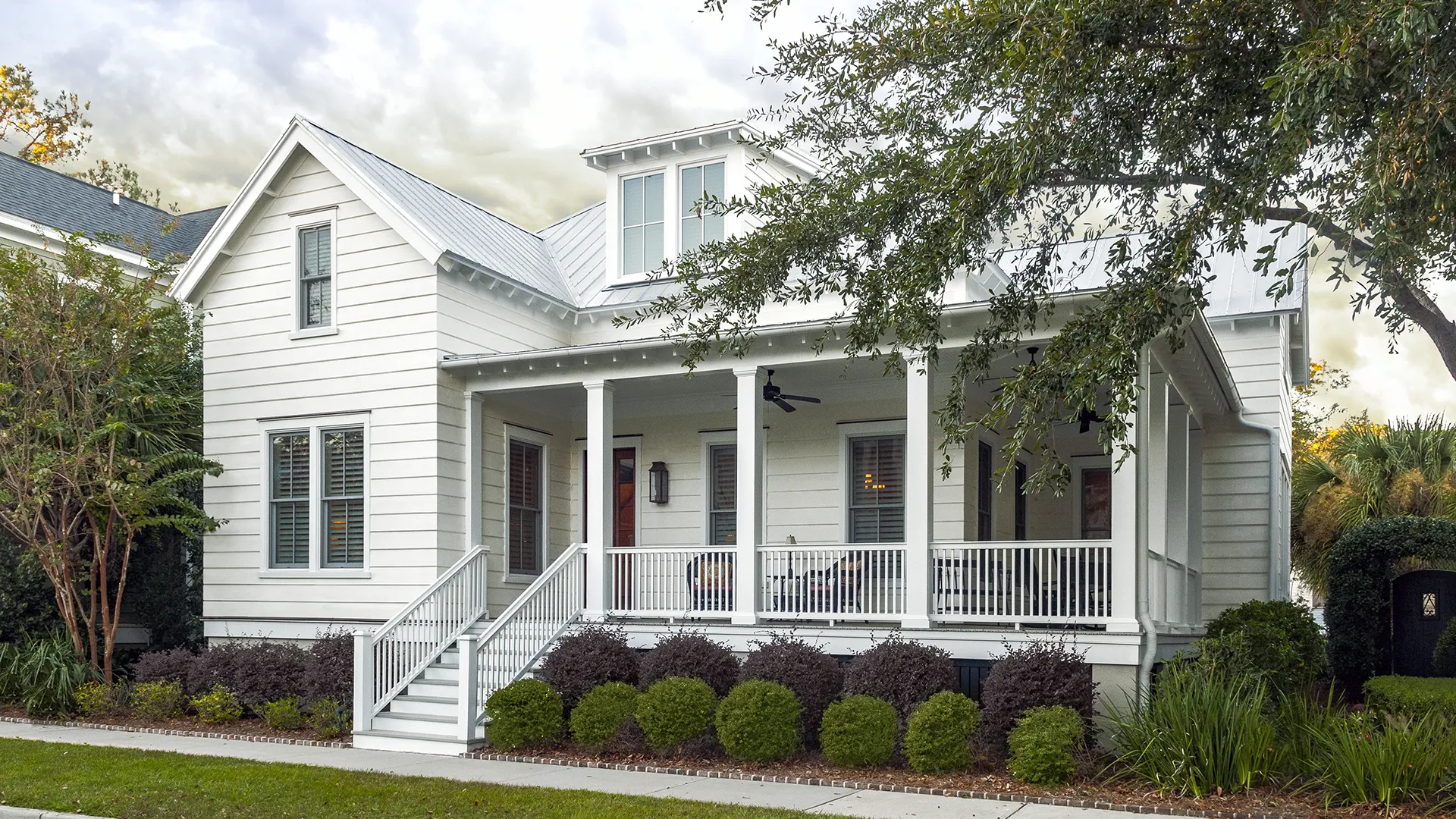
Horizontal lap siding is one of the most common styles found on New Jersey homes.
Its classic look works well with traditional Colonials, Cape Cods, and many other residential designs. Overlapping horizontal boards complement the home’s architecture without drawing attention away from other features.
The width of the visible siding boards also affects the overall appearance. Narrower exposures create more visible horizontal lines, while wider exposures can give the home a simpler appearance. The best choice depends on the house size and how the siding works with the windows and trim.
For homeowners who like the general appearance of their existing siding but want to upgrade the material, lap siding is often a good place to start.
Board and Batten Adds a Modern Touch
Board and batten siding creates a different look with vertical panels and narrow strips that cover the seams. James Hardie® offers Hardie® Panel vertical siding and Hardie® Trim Batten boards to create this style.
Vertical lines can give a home a more updated look, especially on farmhouse-inspired designs and homes with prominent gables.
Homeowners can also use board and batten as an accent rather than covering the entire house. Adding it to a front-facing gable or entryway can create contrast without changing the character of the rest of the exterior.
Mixing Siding Styles Can Work, But Keep It Simple
Some homes look better with more than one siding style.
For example, a homeowner might use traditional lap siding across most of the house and board and batten on a smaller section. This can highlight a particular architectural feature while keeping the overall design consistent.
Changing siding styles in the middle of a wall can look out of place. Transitions often work better where the home’s architecture creates a natural break, such as a gable or a separate section of the house.
For many New Jersey homes, especially older properties with additions or renovations, the existing structure should guide those decisions. The goal is to choose a combination that looks like it belongs on the house rather than one that follows a particular design trend.
Texture Changes the Finished Appearance
Siding style is only part of the decision. Texture can also change the exterior’s appearance.
James Hardie® offers smooth finishes as well as options that resemble the grain of traditional wood siding.
A wood-grain texture works well when the homeowner wants to maintain a more traditional look. Smooth siding creates a cleaner surface that may fit better with a more contemporary design. Therefore, the home’s existing architecture and surrounding details should guide the texture choice.
It also helps to view actual product samples rather than relying only on online photos. Lighting, color, and surrounding materials can affect how a finish appears over a larger area.
Color and Trim Should Work Together
Color also plays a major role in how the finished exterior looks, especially when paired with different siding styles and textures.
James Hardie® ColorPlus® Technology offers factory-applied finishes in a range of colors. The finish provides consistent color coverage and helps resist fading from sun exposure.
Before choosing a siding color, homeowners should consider which parts of the existing exterior they plan to keep. The roof, windows, and masonry can all influence how the new siding looks. A color may look great on a sample but appear different once it covers the entire house. The new siding should complement those existing features rather than compete with them.
What to Consider Before Choosing a Style
When comparing siding styles, ask a few questions before settling on a final design.
- Do you want to maintain your home’s current appearance or make a noticeable change?
- Would one siding style work across the entire exterior, or would accents make sense?
- How will the siding color work with the existing roof, windows, and masonry?
- Do you prefer a smooth finish or a more traditional wood-grain texture?
- Are the products and finishes you want available for your project?
The siding design can also affect the installation. Some layouts require additional trim work or more detailed transitions, which can increase the project’s cost.
Discussing these details with your contractor beforehand can help you choose a design that works for both your home and your budget.
The Bottom Line
Choosing new siding is a decision homeowners will live with for years, so it is worth taking the time to understand the available options before moving forward.
At CRS, we help homeowners evaluate their siding options and understand how different styles will work with their homes. If you are considering James Hardie® siding, contact us today. We can review your exterior, discuss available options, and help you choose a style that fits your home.