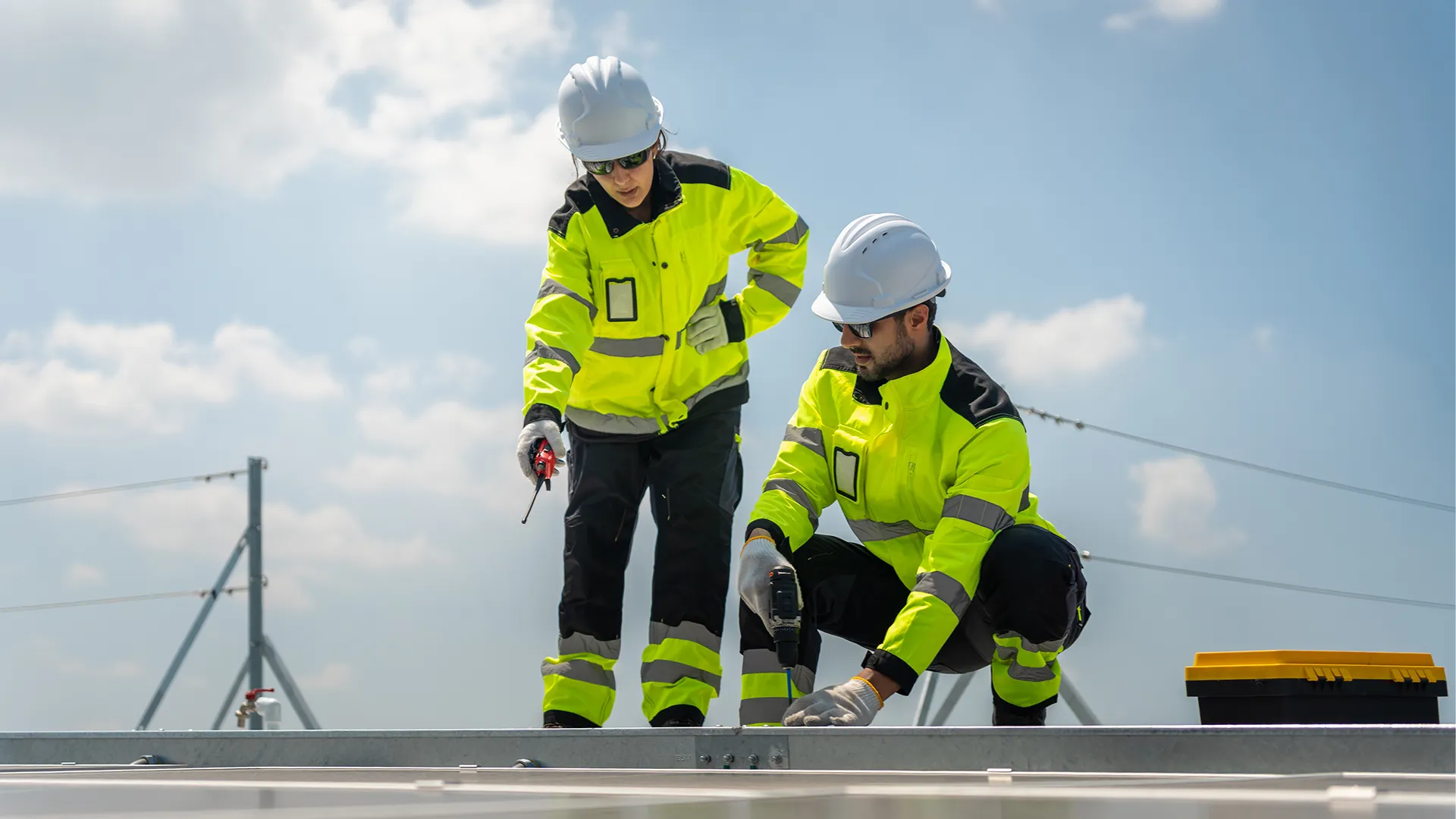
Most commercial roofs have more happening on them than building owners realize. They hold HVAC units, exhaust fans, vents, conduits, satellite equipment, and in many cases solar components.
The equipment itself is not usually the problem. The bigger concern is what happens around it over time.
The damage rarely happens during installation. More often, it starts after installation, when the roof becomes a regular access point for service work, repairs, and equipment changes. None of it may look like a major issue in the moment, but small oversights can add up over time.
The Roof Is a Work Platform: Whether You Plan for It or Not
Property managers think of the roof as part of the building. However, service contractors are thinking about the job they need to complete on the roof. That disconnect is where problems begin.
Most service contractors aren’t trying to do any damage, but small oversights accumulate. A panel dragged across the roof’s TPO leaves a mark. A tool dropped from waist height can puncture the membrane. A technician who walks the same path on every service call eventually wears through the surface before the rest of the roof.
Once the roof becomes a work area, someone needs to be responsible for how that work affects the roofing system.
Why Every Roof Penetration Is a Potential Leak Point
Any time something passes through a commercial roof membrane, the risk of leaks increases. Penetrations are unavoidable on commercial buildings, but they need to be treated as part of the roof system, not as an afterthought.
The problem usually starts when a pipe, vent, conduit, or equipment curb is added, changed, or disturbed without the right roofing detail. It may seem minor at the time, especially to a contractor focused on finishing their own work, but the roof system still has to be sealed correctly when that work is complete.
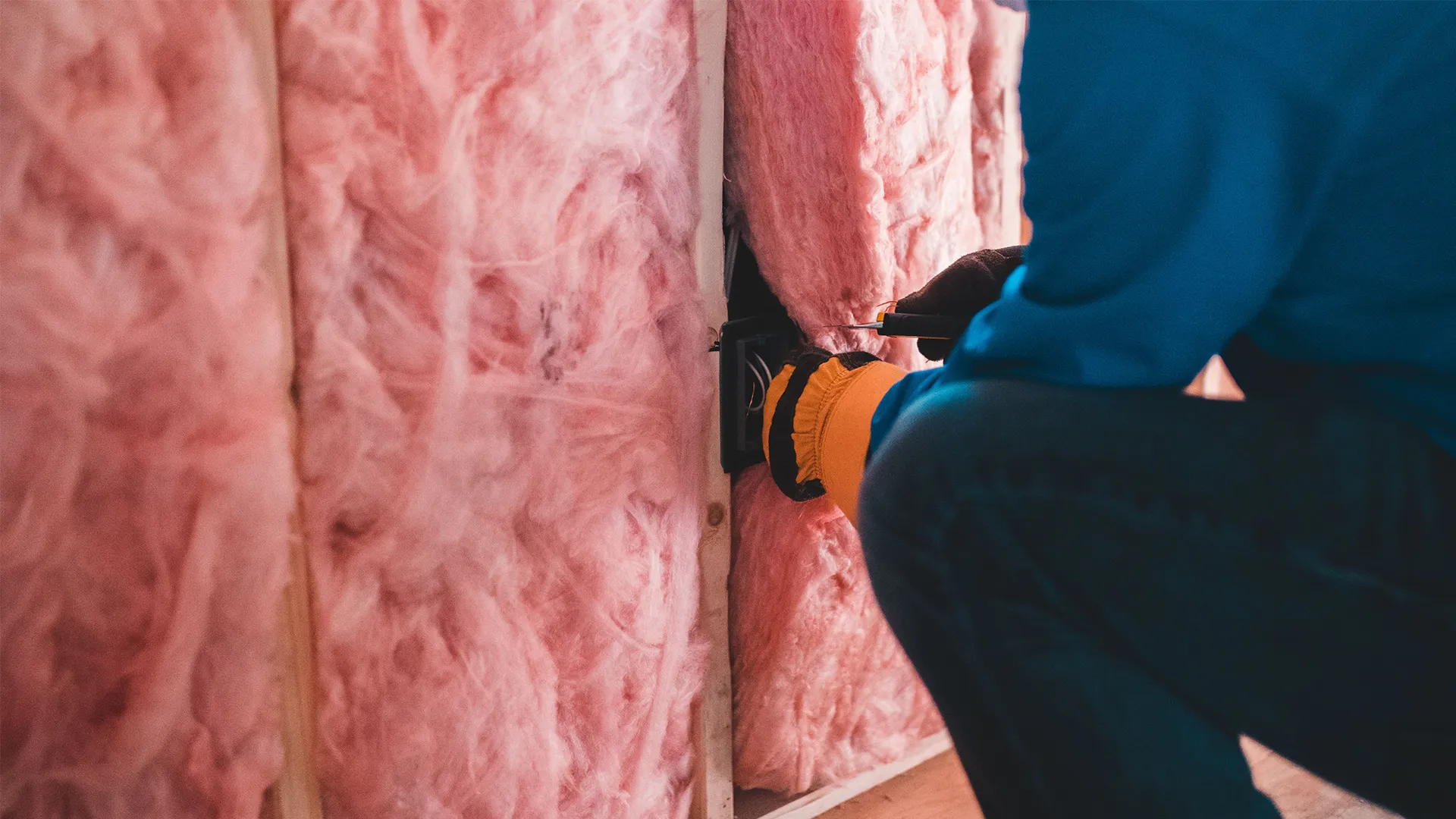
A common scenario: an HVAC contractor replaces a unit, disconnects a line, runs a new one, and seals around it with caulk. Job done, from their perspective. From the roof’s perspective, the original flashing detail may have been compromised, and the new seal may not be built to move with the membrane through normal expansion and contraction.
Months later, a leak shows up inside the building and the roof gets blamed. But in many cases, the real issue is what changed on top of it.
Foot Traffic Wears Down the Roof Quietly
On a building with significant rooftop equipment, crews are often on the roof for HVAC service, inspections, filter changes, and repairs. That’s expected. However, without designated walk paths, repeated foot traffic can wear down the same areas of the membrane over and over again.
Walk pads exist for exactly this reason. On roofs that have them, they’re rarely the problem area. On roofs that don’t, we usually start our inspections with the access paths to equipment.
Small Damage Doesn’t Always Show Up Immediately
Small roof damage does not always create a noticeable problem right away. A puncture, loose flashing, or a poorly sealed penetration can let water enter slowly. From there, moisture can move through insulation and travel a significant distance from the original entry point before it shows up inside.
By the time a tenant reports a leak, the water may have been moving through the roof system for weeks. At that point, the damage may already extend beyond the visible entry point, resulting in a much bigger issue than expected.
The practical takeaway: if equipment work has been done on the roof recently, do not wait for a leak to confirm whether the roof is still intact. A quick inspection after the work is far less expensive than diagnosing the damage after a leak appears.
What Property Managers Should Look Out For
You do not need to inspect the roof like a contractor. But you should know which issues are worth flagging and what to ask your roofing contractor to check.
Common signs include:
- Cracked or open sealant around pipe penetrations or equipment bases
- Loose, lifted, or visibly disturbed flashing
- Membrane punctures or scrapes near mechanical units
- Worn surface areas along walking paths from access points to equipment
- Debris left behind after service work (tools, fasteners, metal shavings)
- Ponding water collecting around roof-mounted equipment
- New interior leaks or stains following recent rooftop service
- Equipment curbs that appear shifted, lifted, or re-sealed with caulk
Any of these issues warrant a closer look before they develop into active leaks.
Coordination Prevents Most of These Problems
The simplest fix is communication before the work starts.
Not every rooftop service call requires a roofer on site. But any work that involves mounting new equipment, cutting a penetration, or altering existing flashing should involve a qualified roofing contractor, either to do the sealing work or to inspect it afterward.
When that becomes part of the process, rooftop work is less likely to create problems that no one catches until later.
Before any trade does work beyond routine inspection, property managers should be asking:
- Will anything be mounted, moved, or removed?
- Will any new penetrations be made?
- Will existing flashing or equipment curbs be disturbed?
- Who is responsible for sealing the roof afterward?
- Will the completed work be documented?
Those questions will not prevent every problem. But they do create a clear record of what changed, who did the work, and who is responsible if a leak shows up later.
Documentation Matters More Than Most Owners Realize
Roof documentation is not just for major projects. It matters any time a trade does work that affects the roofing system.
Property managers should know who was on the roof, what was done, and whether the roof system was altered or resealed afterward.
Without that record, every future leak becomes harder to diagnose. No one knows what changed, when it happened, or whether the roof was properly protected after the work was complete.
Documentation also matters for warranty purposes. Unauthorized modifications to the roof assembly can affect coverage, especially when rooftop work changes the system without proper oversight.
A clear record protects the building owner, the contractor, and the roof itself.
The Roof Doesn’t Stop Needing Attention After Installation
A well-installed commercial roof is a starting point, not the end of the conversation. The building keeps running. Equipment keeps getting serviced. Contractors keep accessing the roof.
Without a process for managing that activity, small oversights can add up faster than the roof’s age would suggest.
The approach is straightforward: coordinate rooftop work, protect high-traffic areas, handle penetrations correctly, document what changes, and inspect after service work when needed.
At CRS, we help commercial property owners and managers identify roof problems caused by equipment, foot traffic, and third-party work. If your building has significant rooftop equipment or has had recent service work completed, contact CRS today to schedule a professional inspection before a small issue turns into a larger problem.