As the colder months begin in New Jersey, attic problems can be much easier to notice. One bedroom never quite warms up. The heat kicks on more than it used to. There’s frost on the underside of the roof deck, or ice keeps forming along the same stretch of gutter every time it snows.
Any of those can have more than one cause. But the attic is one of the first places we look, since insulation and ventilation play a big role in how heat and moisture move through that space. Once colder weather settles into North Jersey, those issues can become much more noticeable.
Insulation and Ventilation Have Different Jobs
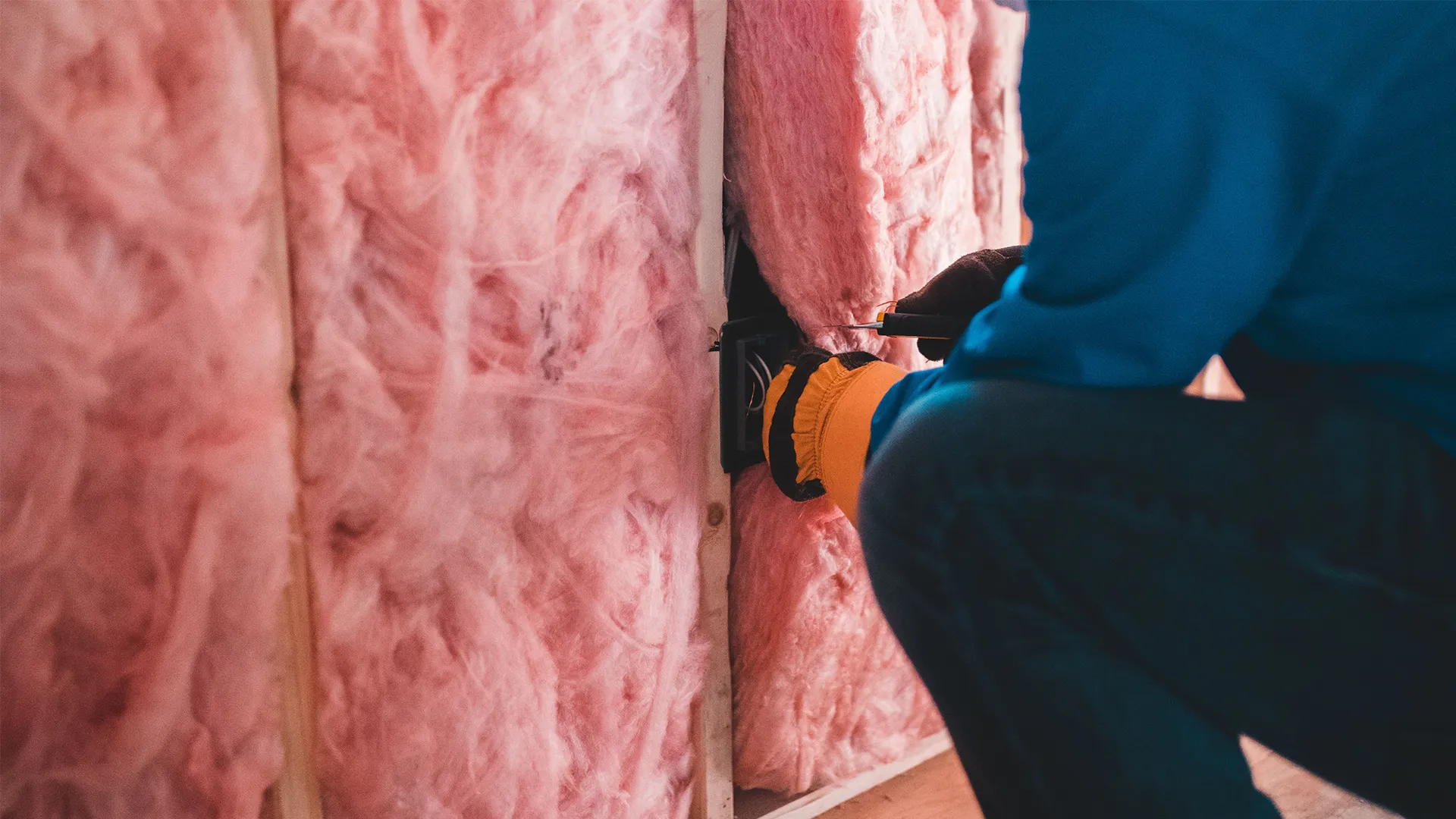
Insulation slows heat from leaving the living space and getting into the attic. Ventilation keeps air moving through the attic, so any heat and moisture that make it up there have a way out.
They work together, but one can’t cover for the other. On one hand, a house can have plenty of insulation and almost no airflow. On the other, it can have working roof vents while heat still escapes through thin or uneven insulation.
Too Much Heat in the Attic Can Show Up on the Roof
Heat from inside the home naturally moves upward. If the insulation is thin or uneven, more heat can escape into the attic, creating uneven temperatures across the roof deck.
After a snowfall, warmer sections of the roof may melt first while colder areas stay snow-covered. As that water runs toward the edge of the roof, it can refreeze and gradually build up along the roofline.
Insulation can contribute to that uneven melting, but it is not the only factor. Sun exposure, roof design, gutter conditions, and the weather itself can also affect where ice forms.
But if the ice keeps coming back in the same spot, it’s worth finding out what’s going on in the attic right above it.
How Ventilation Helps Manage Moisture
Warm air holds moisture, and normal day-to-day activity adds more humidity than you’d think. Cooking, showers, laundry, even breathing all add to it. As that warm air moves through the house, some of the moisture can make its way into the attic.
When that moist, warm air hits a cold surface, it condenses. In the winter, that can show up as damp spots or frost on the roof decking, nail tips, rafters, or other attic surfaces.
Good ventilation helps move that moisture out before it settles. If moisture keeps building up, it can work its way into the wood and insulation over time. And once insulation gets wet, it becomes much less effective.
Why More Insulation Is Not Always the Answer
If the house feels cold and the heating bill keeps climbing, adding insulation may seem like the obvious answer. Sometimes it is.
Other times, the issue has more to do with how air is moving through the attic. Warm air can escape through gaps around recessed lights, the attic hatch, or openings for pipes and wiring. A bathroom fan may also send warm, moist air into the attic instead of venting it outside.
In those cases, the fix might be sealing those gaps, rerouting the fan to vent outside, or making sure air can move in and out of the attic. Adding insulation alone wouldn’t address any of those issues.
So before recommending more insulation, CRS looks at what’s already up there and how it’s working.
What CRS Looks At
Cold rooms, attic frost, and ice along the gutters can look like three separate winter problems. In some cases, all three can be connected to how heat and moisture move through the attic.
Looking at the full attic and roofing system helps CRS determine what the home actually needs before recommending any work.
If something around your attic or roof seems off once the cold sets in, or you just want a second set of eyes up there, give us a call at 201-740-5214.