The best time to think about a commercial roof is before it turns into an urgent problem.
That sounds obvious, but many property managers don’t think about the roof until there is a leak, a tenant complaint, or an urgent repair that needs to be handled right away. At that point, decisions become reactive, and the goal shifts from planning the best next step to stopping the immediate problem.
Fall gives building owners and property managers a practical window to assess roof condition, prioritize repairs, and plan for the year ahead.
By the time summer is over, the roof has gone through heat, UV exposure, heavy rain, and rooftop service activity. Before the winter adds snow, ice, freeze-thaw cycles, and harder working conditions, fall is a practical time to understand what the roof may actually need.
At CRS, fall roof planning helps ensure the roof is ready for winter and gives property managers a clearer plan for the year ahead.
Fall Shows What the Roof Has Been Through
By September or October, a commercial roof has already been tested by the year’s most active months.
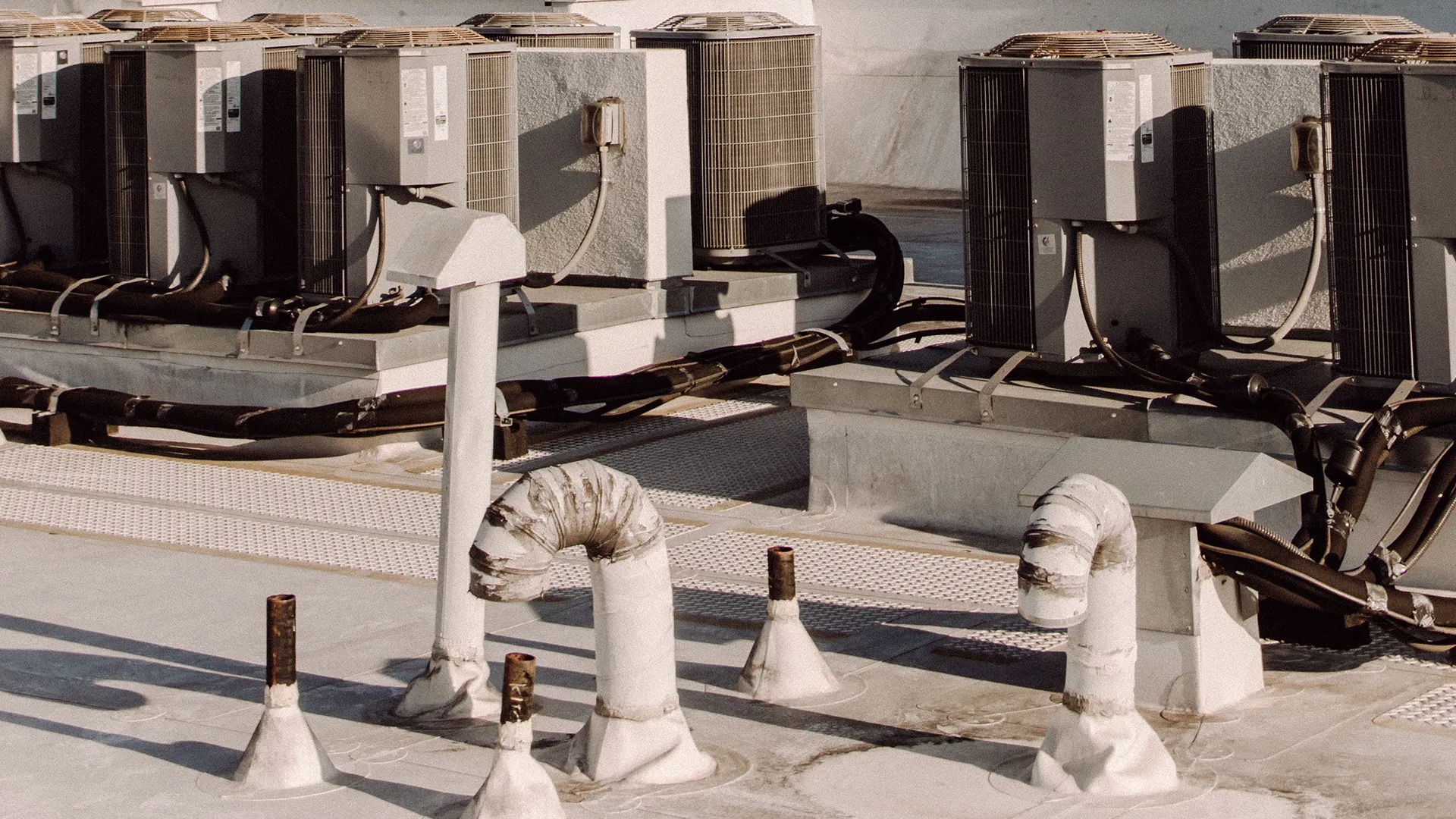
Summer heat can stress membranes, seams, flashings, and rooftop details. Heavy rain can reveal drainage issues. Humidity can make moisture concerns more noticeable. Service contractors may have been on the roof all season, working around HVAC units, vents, and other equipment.
None of that automatically means the roof is in bad shape. But it does mean fall is a good time to see how the whole roofing system is holding up.
The goal is not to find problems for the sake of finding problems. It is to separate normal wear from issues that should be addressed before they become an emergency repair or require a more intensive service call.
Budgeting For A Commercial Roof Starts With Knowing What Actually Needs Attention
Commercial roof budgeting should not be based on guesswork.
A roof may need a small repair, a larger maintenance plan, a restoration conversation, or long-term replacement planning. Those are very different budget conversations. Without a current understanding of roof condition, it is easy to either underplan or assume the worst.
A fall roof inspection can be a crucial tool to help property managers understand:
- What should be handled before the winter
- What can wait until the spring
- What should be closely monitored
- What should be in the budget for next year’s maintenance
- What is not urgent, but should stay on the radar for potential changes in the future
That information makes budget planning more practical because it puts each roof need into the right category: immediate, upcoming, or long-term.
Not Every Finding Calls for the Same Response
One of the biggest mistakes in commercial roof planning is treating every issue the same way.
Some findings need immediate attention. An open seam, active leak, damaged flashing, or clogged drain needs to be addressed immediately, or you risk major damage. Other findings may not require immediate work, but they should be documented and monitored. Surface wear, aging materials, or areas of concern around rooftop equipment may be part of a longer-term plan.
A good autumn assessment should not turn into a list of everything that could possibly be sold. It should help the property manager understand what matters now and what to plan for later.
If you treat everything like an emergency, it becomes harder to budget properly. If everything is pushed off, small issues can turn into more expensive repairs. The right approach is knowing which is which, and having a trusted commercial roofing expert to help guide you.
Winter Makes Roofing Work Harder
Fall planning also matters because winter changes the way commercial roof issues are handled.
Cold temperatures, snow, ice, wind, and less daylight can make roofing work more difficult. Some materials are harder to work with in cold weather. Access may be more limited. Emergency service calls can become more complicated, especially when water intrusion is happening during or after a winter storm.
That doesn’t mean every roof issue must be fixed before winter. It means property managers should understand the roof’s condition before winter makes roofing decisions even harder.
If part of the roof is already showing signs of wear, it is better to know that before severe weather arrives. Even if the larger project is planned for the following year, short-term repairs or documentation can give property managers a clearer picture of what to watch throughout the winter.
Better Planning Helps Avoid Surprise Capital Requests
Roof work is rarely convenient.
A leak that turns into an emergency repair can quickly become a budget issue, a tenant issue, and an operations issue at the same time. For property managers, the problem is not just the repair itself. It is having to request money, explain urgency, and make decisions without much time.
This is especially important for property managers overseeing multiple buildings or working with ownership groups that need time to approve larger expenses.
A fall roof assessment can help answer practical questions:
- Is this roof likely to need major work next year?
- Are repairs enough for now?
- Is restoration worth considering?
- Are there areas that need to be watched through winter?
- Should replacing the roof be part of next year’s capital plan?
Those answers make it easier to have an informed budget conversation instead of guessing at what the roof may need.
The Report Should Be Useful, Not Just Technical
A commercial roof report should do more than just show photos and list deficiencies.
Property managers need information they can actually use. That means the report should explain what was found, why it matters, what should be addressed first, and what can reasonably wait. It should also give ownership enough context to make budget decisions without needing to interpret roofing language on their own.
The best reports connect roof conditions to next steps.
If a repair is recommended, the report should explain why. If a larger project may be needed in the future, the report should explain what is driving that recommendation. If the roof is still performing well, that should be stated clearly too.
A useful report helps property managers have better conversations with ownership, tenants, facility teams, and vendors.
Fall Roofing Planning Is About Control
The real value of fall commercial roof planning is control.
A good assessment gives property managers a clearer picture of what the roof needs now, what can wait, and what should be part of next year’s budget.
At CRS, we help commercial property owners and managers evaluate roof conditions, identify priorities, and plan repairs or improvements with a clear understanding of what is most important to address first.
If you are planning your property’s budget for next year, contact CRS today to schedule a commercial roof assessment and get a clear picture of what your roof may need before the winter puts it to the test.